We hope you have some great days planned with your dogs for over Easter but we do also have some advice to help you not need the emergency vets! (They deserve a rest too!)
Be aware of what can be toxic to dogs – everything varies from dog to dog due to their overall health, size, age etc – and just because someone says they gave their dog chocolate or raisins every day for a snack and they lived to 25 still hiking up Snowdonia every day it doesn’t mean it’s safe, just that their dog was lucky (and possibly some exaggerations!) x
Also just notice where things are stored, left out, on display at home, with guests and if you visit somewhere else; non dog or pet homes can have higher risks as usually there isn’t a problem!
But there are still lots you can do and give to your dog to enjoy Easter so go have fun with your dog!

Easter Foods that can be toxic to dogs:
- Raisins – eg in Hot Cross Buns, Simnel Cake
Raisins etc can be highly toxic to dogs and cause acute kidney failure within 72 hours of consuming. Signs of Kidney failure can include vomiting, diarrhoea, being lethargic, abdominal pain, less interest in eating.
- Chocolate – eg Easter Eggs!
Chocolate (milk and dark) contain theobromine which is what makes chocolate dangerous for dogs to consume and can cause problems with the heart, stomach, nervous system and kidneys. Toxicity from chocolate in dogs can include symptoms like vomiting, diarrhoea, thirsty, panting more, restless, increased weeing, racing heart rate, muscle spasms and sometimes seizures.
- Grapes – around most of the year including Easter!
Grapes eaten by dogs can cause fatal kidney failure. Symptoms include vomiting, diarrhoea, not eating, lethargic, abdominal pain, panting more, not toiletting as normal, tremors or seizures.
- Onions – such as in gravy with dinner.
Onions can cause haemolytic anaemia which is due to the red blood cells being targeted. Symptoms include vomiting, diarrhoea, lethargic, becoming weak, pale or blue gums, red or brown urine, rapid heartbeat, panting.
Flowers known to be toxic to dogs if ingested:
- Bulbs of Daffodil, Tulip or Crocus can be toxic so keep these stored securely and once planted ensure your dog isn’t outside on their own digging them up!
- Flowers can be toxic once growing too – such as Azalea, Bluebells, Cyclamen roots, Foxglove, Lily of the Valley, Oleander, Rhododendron, Sago Palms.
Flowers known to be safe around dogs at Easter:
- Roses
- Zinnias
- Snap Dragons
- African Violets
- Orchid (be careful with Orchid fertilizer though)
- Sunflowers

If you suspect or known your dog has had anything from these lists contact your vet or emergency vet urgently and let them know what’s been eaten, roughly how much, and they will ask about your dog such as age, weight etc. There is no specific ‘safe’ amount for a particular size dog but it can help them get things ready for when you arrive.
You can also call the Poison Helpline which is a service with trained professionals specifically on anything toxic to humans, animals etc. It does come with a charge but they will be able to tell you what the risk is (their charge will be less than emergency vet!), what potential symptoms to look out for etc.
Poison Helpline is 01202 509000
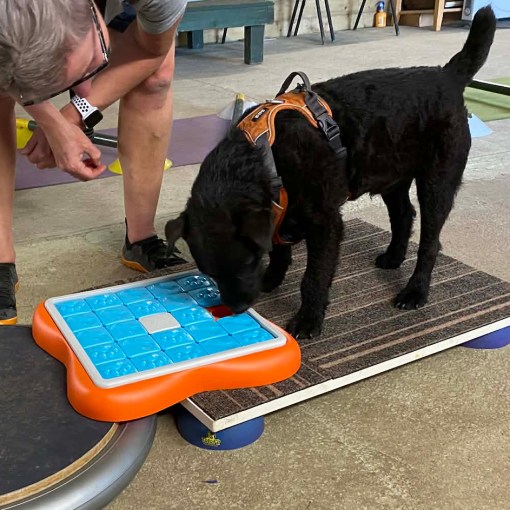
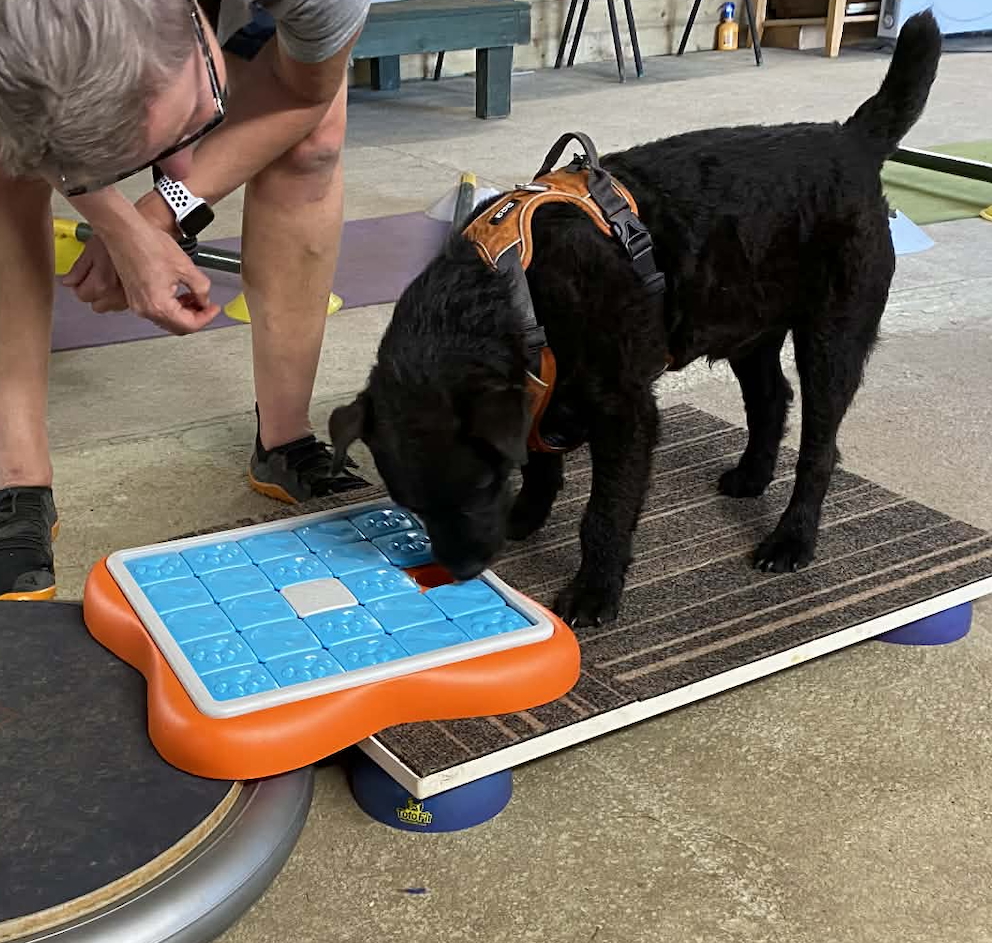
What are you doing with your dogs over Easter? Spending time with family? Going to a dog show? We ran our monthly Dog Fitness Class yesterday and will be finishing filming and uploading for our online Monthly Tricks Club April Tricks this weekend.
Enjoy your dogs and keep them safe!
Joe x