Dogs and Puppies can have joint issues at literally any age. Puppies can be born with joint issues, they can develop over time or injuries and general wear and tear can cause problems too.
Canine Arthritis can also occur and be diagnosed at any age including in a puppy aged 5 months, teenager age 12 months, adult dog aged 4 years and senior dogs ages 8 years – it’s not simply an older dog disease although is still often thought that it is!
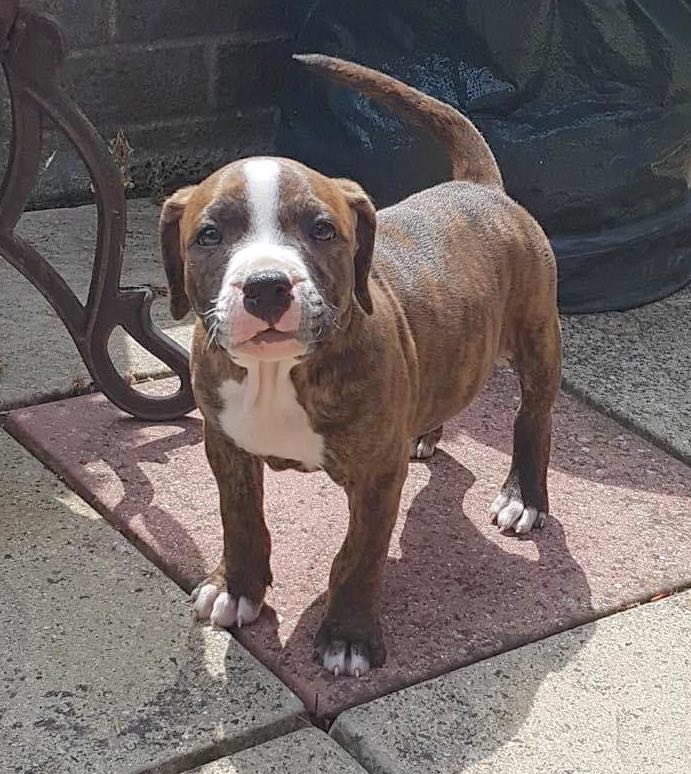
When dogs move they use motions called Flexion and Extension which is how they manage to move joints such as bending the knee to sit (flexion) and straightening the knee to stand or stretch (extension). As the joint is used it releases joint fluid, known as synovial fluid and this helps the joint itself stay healthy and able to function.
When I work with dogs who are diagnosed with arthritis or other issues such as luxating patella or elbow dysplasia more often than not well meaning owners automatically try to help their dog by reducing their activity to try and reduce discomfort. If it hurts to move then being still must be better.
While it may be required that dogs newly diagnosed adjust what activities they do, I strongly urge that they do not stop everything! As they do less the joints do less work, less joint fluid is created which starts making the joint worsen. It’s literally the case that ‘use it or loose it’ meaning the less the joint is working the quicker that joint will stop working. Additionally when the dog does less activity using the affected joint(s) the muscle supporting it can weaken and reduce. This then means less strength to help the joint work and therefore the dog cannot move in a certain way anymore. This is known as muscle loss / atrophy and contributes to so many dogs loosing mobility on their rear end.
Finding a middle ground can be difficult at first as we do want dogs to have rest for healing after a sore day but we also need to find activities that are safer for dogs to do that encourage some movement of joints.
Help our Dogs to move safely
I have three gentle exercises that can help keep the body moving and joints actively being involved to aid production of synovial fluid.
Ensure you warm your dog up!! Let them mooch around the garden for a few minutes, Encourage light play, walk in your house for a short time if your dog is likely to follow you.
Work on an area where your dog doesn’t slip. Or put mats down that don’t slide. I cannot stress how much damage sliding can do to dogs’ bodies!
Exercises:
- Step onto a low platform and step off other side. Platform could be sheet of wood (with yoga mat on), sturdy box, Wii Fit board etc
2. Sit to stand. This doesn’t look like much but actually it’s important to not overdo this as repetitive action. Guide your dog to sit nice and upright, square, no casual legs hanging about! You can use a small platform or similar to help your dog sit up properly as using something to sit on helps dogs be more aware of their limbs etc.
3. Step over a couple of low items. The purpose is to encourage your dog to lift each paw and reach forward to move over the item therefore the item should be low. Poles, broom handles, garden spade, couple of bamboo canes tied together. Place on the ground either in a straight line or in different places and guide your dog to step over them. Not jump over!

Doing exercises like these for 4-8 repetitions at a time a few times a week can help the joint alongside regular care of your dog’s body which includes conditioning and strengthening of muscles to support joints, appropriate supplements in form of food or daily tablets / powder, keeping weight down to reduce pressure on the joints and helping environmentally with things like non slip flooring and ramps for the car or furniture.
If you suspect your dog has a change with any joint book them to see their vet sooner rather than later as early diagnosis could mean lower level discomfort for longer.
If you found this blog interesting you may also like our blogs on:
🌟 Identifying Arthritis in dogs of any age
🌟 What canine conditioning is and how it helps dogs.
Thankyou for reading
Joe Nutkins
Certified Professional Canine Fitness Trainer
Canine Arthritis Management ‘CAMbassador’ following completion of the CAM Level 1 course on Canine Arthritis