The majority of dog owners will have heard of arthritis affecting dogs but it’s still mostly thought of as an older dog disease.
The truth is that Arthritis can affect any breed of dog and at any age with dogs as young as 12 months and less being diagnosed with arthritis.
80% of dogs over the age of 8 are living with arthritis and 35% of dogs 12 months old and over have arthritis. Scarily 24% of
Dogs aged between 8 months and 4 years so signs of arthritic pain (studies used within Canine Arthritis Management education)
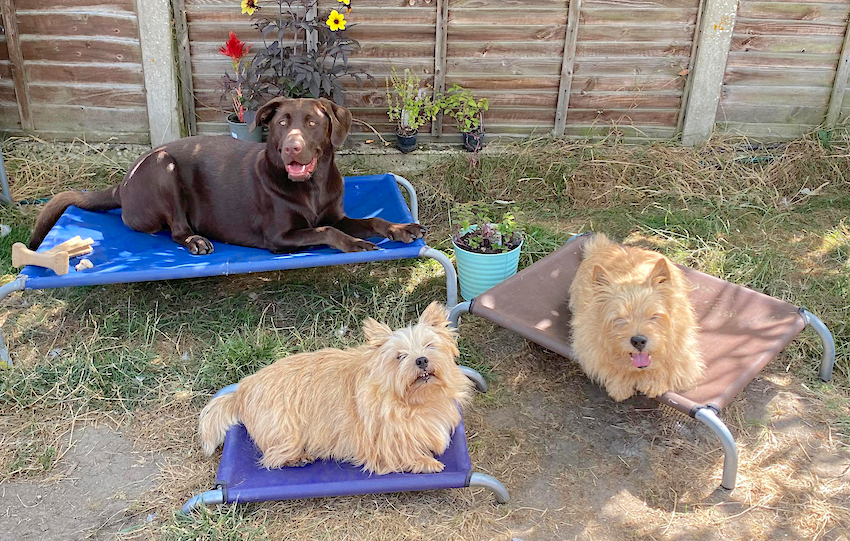
When we hear the word arthritis we most likely think of an aging dog with greying muzzle, waddling slowly through the home, heading to their bed and sleeping for the rest of the day. While stiffness, slowing down and sleeping more can all be signs hinting at arthritis there are many more and some can be noticed early on which gives us caregivers a chance to help sooner.
Some signs of arthritis are below – please note this is not a complete list and if your dog shows 1 or more of these symptoms it doesn’t automatically diagnose arthritis! Alternatively not having these specific signs doesn’t mean your dog doesn’t have discomfort. If you suspect something isn’t quite right and you spot some signs on this list, regardless of your dog’s age, it’s worth checking with your vet.
Signs of Arthritis:
🔹 Lag behind on walks`
🔸 Be slow to rise after sleeping
🔹 Have difficulty jumping onto the sofa, out of the car
🔸 Have difficulty going up or down stairs / steps
🔹 Walk stiffly especially after napping
🔸 Tire easily
🔹 Present various behavioural and emotional changes
🔸 Reluctance being touched or towel dried
🔹 Not tolerating being groomed any more
🔸 Posture changes
🔹 Refuse and stop get on sofa, raised bed etc
🔸 Licking joints
🔹 Sleeping more
🔸 Not keen on other dogs coming closer or being near to where it’s sore eg rear end
🔹 Wondering around more with no goal
🔸 Opting to bound rather than walk!
A diagnosis of Osteoarthritis in any age dog does not mean their life will be shortened necessarily or that they have to suddenly stop doing everything the love. Movement is hugely beneficial for sore joints – I know myself if I were to sit at my desk working for a couple of hours my hips, lower back, knees and few other area will be very painful (I do have chronic pain) but if I use my standing desk and shift weight, move a little in the same time or even longer I’m fine.
As a dog trainer and canine fitness trainer I work with dogs every week with various stages of arthritis who do Hoopers, Agility, Scentwork, Tricks, Fun Obedience, Conditioning and more – we adjust for each dogs’ needs which we do regardless of what the needs are (arthritis or not) and regularly owners are surprised that their dog may be showing signs of mild arthritis as they are still so active, enjoying their days etc.
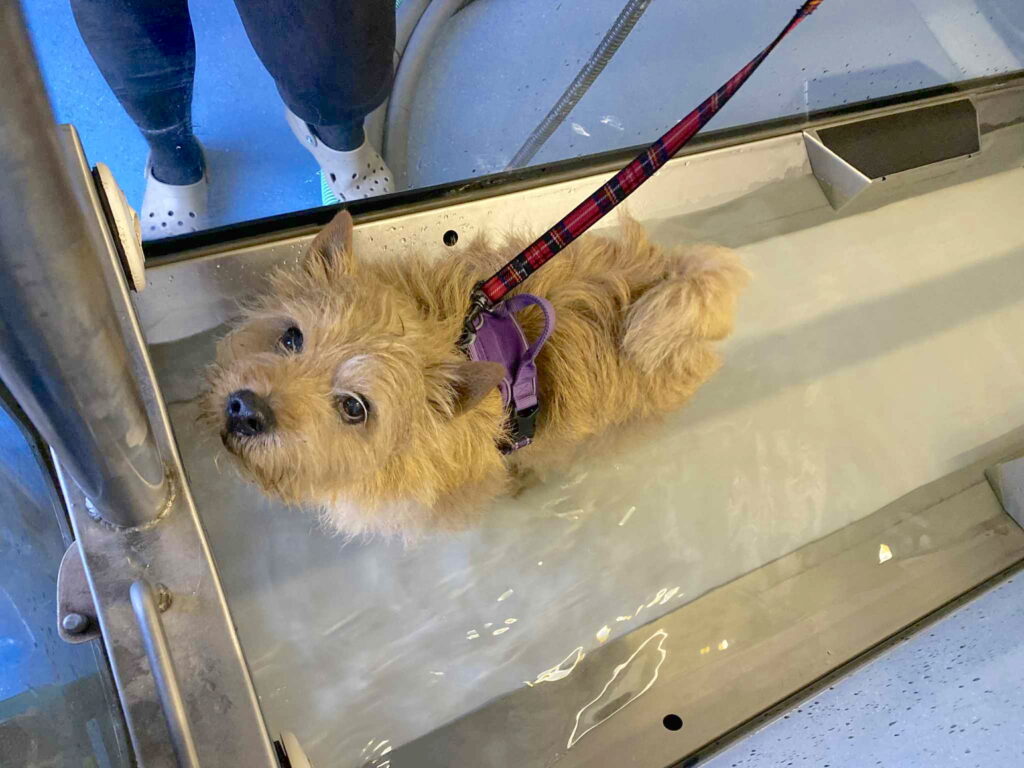
monthly holistic therapies
There are many ways to alleviate the pain of arthritis from holistic treatments and natural remedies to targeted exercises and environmental changes in the home. Arthritis can be slowed down by keeping a dog’s weight low, preventing them slipping on the floor and looking at joint support or pain relief.
“I don’t think they are in pain as they don’t show it and they still love to chase a ball”
Ok, hear me out! As I mentioned I have chronic pain. Diagnosed 14 years ago with Myalgic Encephamyalitis (ME) which is a delightful combination of pain in various places, physical fatigue, mental fatigue, and a few other things sprinkled in. Every single day there is pain of some kind. As I write this, at 5am in bed with my heat pad on my mid back I have sharp pain in one wrist, pain across the tops of my feet and something aching in my right hip. However I love writing about dog topics so that isn’t going to stop me!
I love doing things with my dogs so even when I need to use my HeaLED red light therapy pad on my lower back, pain relief on top of my morphine patches and my walking stick I’ll still take my dogs to a secure field as I love doing it. I adjust how I walk, stand, utilise tools to help etc. I don’t just do nothing due to being in pain although it does stop me doing ALL the things I want to do but I can choose the things most important to me.
So back to dogs. When in pain dogs don’t know this isn’t normal and will compensate. You may have heard people say dogs are stoic or hide pain well. They aren’t generally hiding it but are adapting – it’s a natural survival instinct and also helps with comfort!
Some ways dogs may adjust to manage their arthritic pain (or other forms of discomfort) include;
🔹 Walking around more. Moving from bed to bed, following you around more but not necessarily wanting interaction, generally just being active. Again, staying still can make joints sore when they are already uncomfortable so moving helps. I’m the same. If you see me sitting at dog training it’s because I’m very very tired!
🔸 Changing posture. You may see your dog has their head a little lower when they walk or stand still then they used to, which relieves some pressure from the rear legs and hips or they might be standing with weight more on one side then the other to help one side that is sore. It can be very subtle but when you look back at photos or videos of your dog from a month, 3 months, 6 months ago you’ll see the difference (if there is one!)
🔹 Avoiding certain surfaces or being more careful. Slippery surfaces, movement from gravel or sand, stepping over raised thresholds, etc can play havoc on a body that is already uncomfortable. Dogs can therefore try avoiding walking on areas of gravel and go around the edge, pick their way through carefully or stand still and refuse to go on it. But they used to go on it fine so what’s changed? Pain. The back door frame or the opening of a shed may now cause your dog to pause before making a leap over when previously they thought nothing of it. It’s only an inch high so is it their eyesight? I mean it’s possible but more likely is they know the jumping over and landing will hurt the front joints or pushing from the back legs will be painful.
Slippery floors? Imagine every day every time you wanted to get a drink, have a meal, play, gone your family members, go to the toilet you had to think about tensing your muscles to help prevent your feet slipping out to the side and pulling on tendons, or to reduce sliding as you turn a corner and potentially straining a ligament. This is what happens when dogs have slippery floors at home. It’s why we don’t have fancy flooring at our training, why we unroll old carpets and why we hand out yoga mats for what seems like the most static of exercises. Dogs already sore will go slower on slippery floors, aim for any door mats or beds on the way or just not drink, ask for toilet etc as often as they need.
🔸 Changes in getting into a position or out of it. You may notice your dog now sits more in one hip or with a leg casually out to the side but when you look at last year’s photos you see they always sat really square. This can be a sign of off loading; keeping weight off the side that hurts most. Getting up from laying down might now look more like they are pulling themselves with their front paws rather then pushing up with their back feet like they used to. This can be due to the hips being sore, arthritis pain in back toes, knees being weaker where discomfort leads to doing less and muscles start to decrease.

Dogs with arthritis manage as much as they can. Eventually they cannot compensate by off loading to the other end of the body as that part is now tired too and the pressure of off loading may be causing joint, muscular etc issues there too. Then we start to see the signs we might expect like refusing to move part way round a walk, not wanting to eat meals as leaning forward is painful on the elbows or neck, limping after a trip to the garden to toilet or being stiff for 20 mins after a sleep. Often by the time we see the bigger more obvious signs our dogs have been coping with milder symptoms until they cannot cope any more and we see the bigger issues.
Did you know one of the most common causes of euthanasia in pet dogs is due to arthritis? Arthritis itself doesn’t cause a dog to pass but the pain leading to less quality of life is commonly the cause to stop the suffering. Yet there are so many options available to prevent it starting too young (yes slowing down the onset), helping it not progress too fast, and helping our dogs be comfortable at all stages.
I’ve heard recently someone say to me ‘but you’re only putting off the inevitable’. That may be true but if that means my dogs get to enjoy their lives in no pain or reduced pain for another year, 5 years etc then to me that is worth it. Why would we want our dogs to be in pain just because giving therapy or pain relief is putting off what will eventually happen anyway?
Having been on morphine patches constantly for 8 years I can safely say that now my pain is stronger, lasts longer and starts with less cause I’m glad to have had 8 years of reduced pain to be able to do things that I now cannot.
We all have choices, we all can learn, and what we do with the information is down to each dog owner. I’m here to help provide information and choices in the hope of helping at least a few dogs have more for longer.
If you suspect arthritis or a mobility issue with your dog I recommend you take them to your vet but first there are some things that can help your vet with diagnosing;
🔹 Keep a diary – changes you’ve seen, when they happen such as limping after a road walk but not after a grass walk, stiffer on damp days, not wanting paws touches anymore etc.
🔸 Video your dog – vets have limited space and time so trying to show your vet how your dogs’ walking has changed can be difficult in a consult. Add to this either excitement or worry of being at the vets and you may find your dog won’t move at all or appear to be totally fine as Adrenalin masks the pain temporarily. Taking videos of your dog at their best and at their worst will help your vet see where the issues are located so they can check properly and diagnose.
🔹 Let your vet know what signs you’ve seen that led to the appointment – make notes as all signs can help vets with determining what is happening. They might not appear linked but it’s worth including everything from drinking less to laying in the sun more or against the radiator, favourite soft or hard foods suddenly or not wanting a collar on. Any changes in the last few weeks and months are worth noting.
🔸 Photos can also help. Of your dog standing naturally (photos taken low down from both sides, behind and above), sitting (photos from behind, side and front), sleeping. Again if you take photos each month and compare you can start to see changes yourself too.
This blog is absolutely not intended to cause panic at all but more to educate and help dogs be understood better and sooner. None of us want to think that our dogs are in pain but accepting this is the way we help our dogs be more comfortable!
I would like to recommend also looking at Canine Arthritis Management. Hannah Capon is in U.K. and a vet with huge passion for helping dogs who experience the pain of arthritis. Take a look at the website here and they are on social media too.
Visit CAM Website
You may be interested in some of our other blogs on our website including looking at holistic therapies, how to look at joint supplements for dogs, and our next blog to be written which looks at mobility aids such as strollers, backpacks and wheels for disabled dogs.
We also have other resources for you:
“Older Dogs DO Learn New Tricks” is our Ebook on Amazon that covers a range of care topics for older dogs and includes help for dogs with mobility issues. The book looks at brain health, body strengthening, vision, hearing and more.
Take a look
“Super Skills For Senior Dogs”; our Ebook with Tricks Training adapted for older dogs and dogs with mobility issues. Also very useful for puppies who need to protect their developing joints!
Take a look
Our Super Senior Dogs Facebook Group is there to provide some support, share successes with fellow owners of older dogs and also is home of the Senior Dogs Progress Awards which aim to provide a mix of mental and physical skills.
Visit Group
Enjoy your dog whatever their age and know you can reach out to me if you’d like to ask anything about your dog – if I can help I will, if I cannot I’ll point you in the direction of someone who can x
Joe Nutkins
Canine Arthritis Management ‘Cambassador’ Level 1 Online Training
Certified Professional Canine Fitness Trainer
Kennel Club Accredited Dog Trainer
Certified Dog Tricks Instructor