Finding a Dog Trainer can be daunting, and finding a Dog Trainer that has the same ethics and ways of thinking as you is even harder!
As a Positive Training and Reward Based Dog Training Instructor and Certified Professional Canine Fitness Trainer I have dog and puppy owners come to me having started with another trainer that found on Google or in local FB groups but it turned out they didn’t get on with the trainer’s methods, ideas, goals etc so then researched more in depth and now are with me and still want to learn but now are more weary of my methods.
I get it! I’ve trained with a lot of trainers in all the years I’ve had dogs and they have a wide range of skills, experience and ways of doing things. Some have been amazing and I can’t wait to train with them again. Some have been less knowledgable about training different types of dogs and couldn’t help dogs specifically. Others started great with regards to the training exercises but then didn’t offer support for the owner when I get a little confused if my M.E. fatigue is attesting my attention.

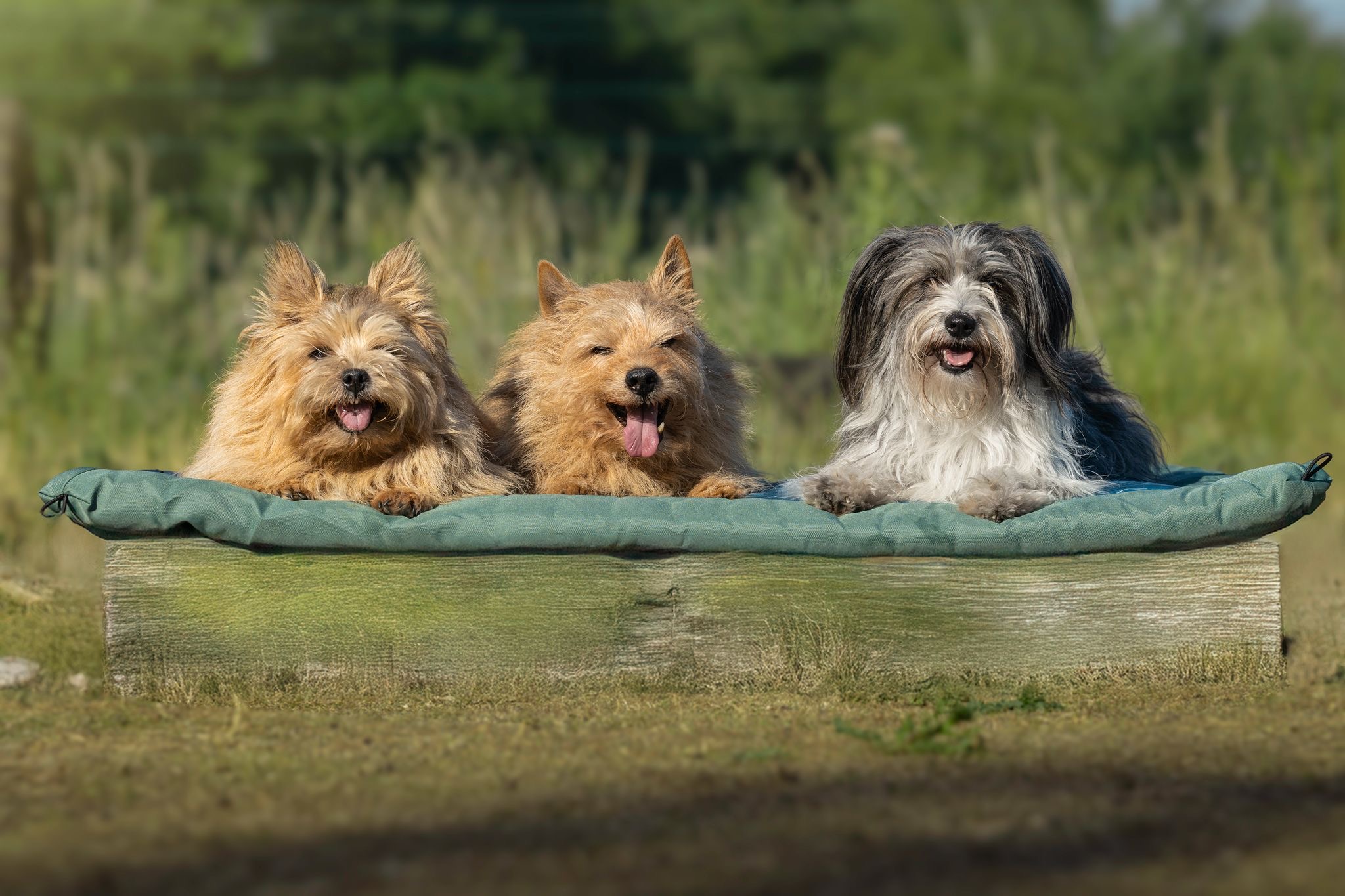
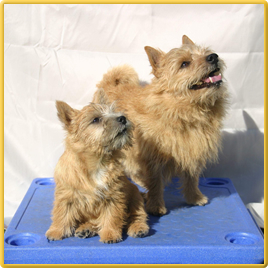
Photo Credit Arthouse Photography
There is never one trainer that will be perfect for every dog and owner. This is why different trainers specialise in different areas of training, in specific breed types, in puppies or teenagers etc. And there really are enough Dog and Puppy Trainers out there for the amount of dogs about!
So here are some top tips to help you find a Dog Trainer that is more likely to suit you better – and no, I’m not adding myself as the answer!!
Top Tips Quick List:
- What is it you want to work on with your dog or puppy?
- What style of training speaks to you?
- How far away is the Trainer or do they do home visits?
- Ask people you know for recommendations
- Ask a trainer if they know your breed well
- What qualifications and experience do they have?
- Ask if you can go and watch training taking place
Top Tips to finding a Dog Trainer:
- Decide what you are looking to work on. Puppy Lifeskills, Dog Sports like Hoopers, Fun Training like Tricks, continuing weekly Training for adult dogs etc are all very different types of training and not all Trainers will offer all of them. So before you start your search have a think about what it is you would like to be training towards. If you’re not sure, consider what you are hoping to aim for with your dog.
- Consider the different styles of Dog Training available now. Positive Trainers / Reward Based Trainers tend to use a lot of luring and guiding to help a dog start learning an exercise, then give praise, treats, fuss etc to reward and reinforce the behaviour. Balance Trainers may use a mixture of types of training including reward based, praise and also tools like slip leads, p rong collars or e collars – it will depend on what the trainer feels each dog they work with needs. There are Force Free dog trainers who again are reward based and positive but with force free the dog is given many more choices and there is no guidance such as preventing a dog making a mistake or saying ‘no’ if a dog goes to pick up something that they shouldn’t etc. And there are aversive dog trainers who stick with using consequences to show a dog learning the wrong thing with be negative, and often do not use the reward side of training.
Who you choose is up to you!
3. Can your dog travel to training or will you need to find a place that you can walk to? Or use public transport to get to? If your dog needs to stay at your home for any reason many trainers will come to the home but you need to check this and check where they will travel to! I have a purpose built venue and pay each month for the land it’s on so going to people’s homes is a little counter productive plus I have all my training equipment there in case I need anything. It doesn’t mean I won’t go to a dog’s home, but I don’t go often compared to other trainers who don’t have premises and always go to the home.
4. Ask friends, family and colleagues who have a dog if they have been training. Ask what they had training for, what the outcome was and if they would recommend the trainer they used. It’s very important to check what they used the trainer for as if you would like Puppy classes but the person you ask recommends a trainer who worked solely on Scentwork they might not be the right trainer for you, or you at least may need a review or recommendation for that trainer from someone who took their puppy for training. Personal recommendations are the most reliable form of research as long as you ask questions to know the trainer is being praised for the type of service you want! We don’t advertise, we only did leaflet drops when we first opened in 2008, but work on Word of Mouth and online searches to our website and people know what to expect before even messaging us!
5. It is worth checking if the trainer you are considering has worked with your breed or breed type before successfully. Some breeds are well known for enjoying training and being quick learners but there are breeds who are known for loosing focus easily, not being that excited about food rewards or who are known as ‘stubborn’ and working with someone experiences with these breed types (even better if they have them themselves) who can show success stories and testimonials will make a difference to your experience in the long run. Note: if you look up a trainer and they say all dogs learn with the the exact same method consider if they have actually worked with a lot of different breeds …! You could therefore ask your breed club if they have a trainer they recommend who know the breed well. This also applies if you have a rescue dog, nervous dog etc – trainers will say what they specialise in!
6. Check out their experience, qualifications and certifications, how long they have been running training for, what types of courses they have done etc. There is no regulation on Dog Trainers or Dog Behaviourists in the UK which means someone can do a weekend course online for 6 hours and then start advertising as a Dog Trainer. They won’t last long but the damage to the few dogs they book in can be done very fast and take years to undo. There is no ‘fully trained’ qualification for dog trainer (even if an advert says they are!) but there are hundreds of different dog trainer courses. See what speaks to you; I am Kennel Club Accredited which took five years of additional training in over 50 areas of dog care, training, health etc and that was on top of all my Dog Training Diplomas, Dog Sports Accreditations, Canine Fitness Certification etc. However just qualifications and no experience can also not always be great – see if a new trainer has done some assisting or shadowing in other classes etc.
7. Ask if you can watch training taking place. Classes and Workshops are usually offered to watch as when watching a 1-2-1 training session it can be quite daunting for the person training to have the trainer and an audience having the focus on them! Most good Dog Trainers and Clubs will be open to people coming to watch as they want to show their premises, their techniques and how the dogs are getting on! Sometimes it may not be possible such as if the class you want to see is a reactive dog class or there are dogs who take time to get used to new people and having a spectator there would spoil the session for the the dog and owner. Always check it’s ok, confirm the day and time and also check if it’s ok to take your dog. Often it will be but again it can depend on the training you go to watch; for us if we have people coming to watch on a day we are needing to be inside, and it’s the first session of a new group and one dog needs space as they are nervous, then the space usually given for a spectator may be being used to help the nervous dog so bringing in another dog with an owner who is watching the class and not their dog can be detrimental to the nervous dog. However majority of the time it is fine, if you think your dog will want to come and sit to watch other dogs training while they need to chill out.
Not all trainers will be right for all dog owners and their dogs and that is ok. If you get a recommendation from someone then look them up – what is their website telling you? What sort of things are on their social media and do you like the methods, way they speak about dogs and their persona?
Once you find someone you feel will be good to train with reach out and make contact, see how you feel about the information you receive back and ask more questions if you have them. Voice any concerns, take a look at their Facebook reviews or Google reviews to see what it is that people have liked and do they have recent reviews or only from 4 years ago? See if they will be at a dog show or local fete at some point so you can go and see them in person, watch how they are giving demos with their own dogs or speaking to people at the show.
You can start looking for a Dog and Puppy Trainer even before you bring your dog home – it never hurts to start contacting people and seeing what they have available for you. Some may have online resources so you can get started straight away!
I hope this has been helpful for you to find your Dog Trainer – in the Essex and Suffolk areas (I am on the border of the two) there are a huge amount of dog trainers with a huge amount of variety in what is being offered so take a deep dive in to what is available and see what looks to be a good match for you.
If you would like more help with finding a trainer or learning more about how dog training can help you and your dog or puppy please do message me and I’ll be very happy to help.
Text / What’s App: 07809 117912
Email: joe@dogtrainingessex-suffolk.co.uk
Enjoy your time training with your dog – this can be a great bonding time for you both!
Joe Nutkins x
https://www.dogtrainingessex-suffolk.co.uk
Dog Training for Essex & Suffolk
Dog Training
Puppy Training
You might also like our Blog on Preparing for bringing home your new Puppy – which can also be used with adult dogs coming to you too: Preparing for your Puppy Blog